Is Bar Soap Sanitary?
Share
This is not only a great question, it is an outstanding example of how marketing can override scientific literacy. Yes, bar soap is sanitary. The science on this has been remarkably consistent for decades. Further, if soap wasn't sanitary, there would be no way to clean a fresh tattoo.
The Chemistry
Soap molecules are amphiphilic, meaning they have a hydrophilic head that loves water and a hydrophobic tail that binds to oils and fats. When you lather and rinse, the surfactants (SCIENCE!) of soap are compounds with a dual property: one part interacts with water, the other part interacts with the dirt, oil and microbes on our skin. The mechanical action of rubbing, combined with running water, physically removes contaminants and sends them down the drain.
Now, can bacteria exist on the surface of a bar of soap? Of course. Bacteria exist on virtually every surface you touch. But know this, the alkaline nature of real soap is a hostile environment for most bacteria, so even when microorganisms land on the bar, they don't thrive there.
The Research
Studies going back to 1965 have shown that the level of bacteria that occurs on bar soap is nothing to lose sleep over. In that particular study, scientists concluded that bacteria are not transferred by this means from person to person, nor does the soap support bacterial growth. This gets back to that idea that marketing overpowered scientific research and evidence we discussed earlier.
The most compelling data comes from a 1988 study where researchers inoculated soap bars with E. coli and Pseudomonas aeruginosa at levels 70 times higher than those typically reported on used soap bars. Sixteen panelists washed their hands using their normal procedure. After washing, none of the 16 panelists had detectable levels of either test bacterium on their hands.
The Sociology
Here's where it gets interesting. The widespread anxiety about bar soap being "dirty" emerged alongside the mass production of liquid soap in the 1980s. This was driven by marketing. Companies needed to differentiate a more expensive product, so they manufactured a problem that didn't exist. Remember when this happened with margarine and butter, too?
Liquid soap typically costs more and requires five times the energy to produce and 20 times the energy for packaging in plastic bottles. The germophobia around bar soap benefits corporations, not consumers. This is WHY we make our soaps in the traditional handmade style. Well, not totally, we don't have industrial grade equipment, but that's beside the point.
What is fascinating is how readily we accepted this narrative despite the evidence. Most of the germs on your "dirty" bar soap are probably from your own skin and part of your skin microbiome, which is paramount to your immune system because it helps protect you from invading pathogens.
Is Castile Soap Sanitary?
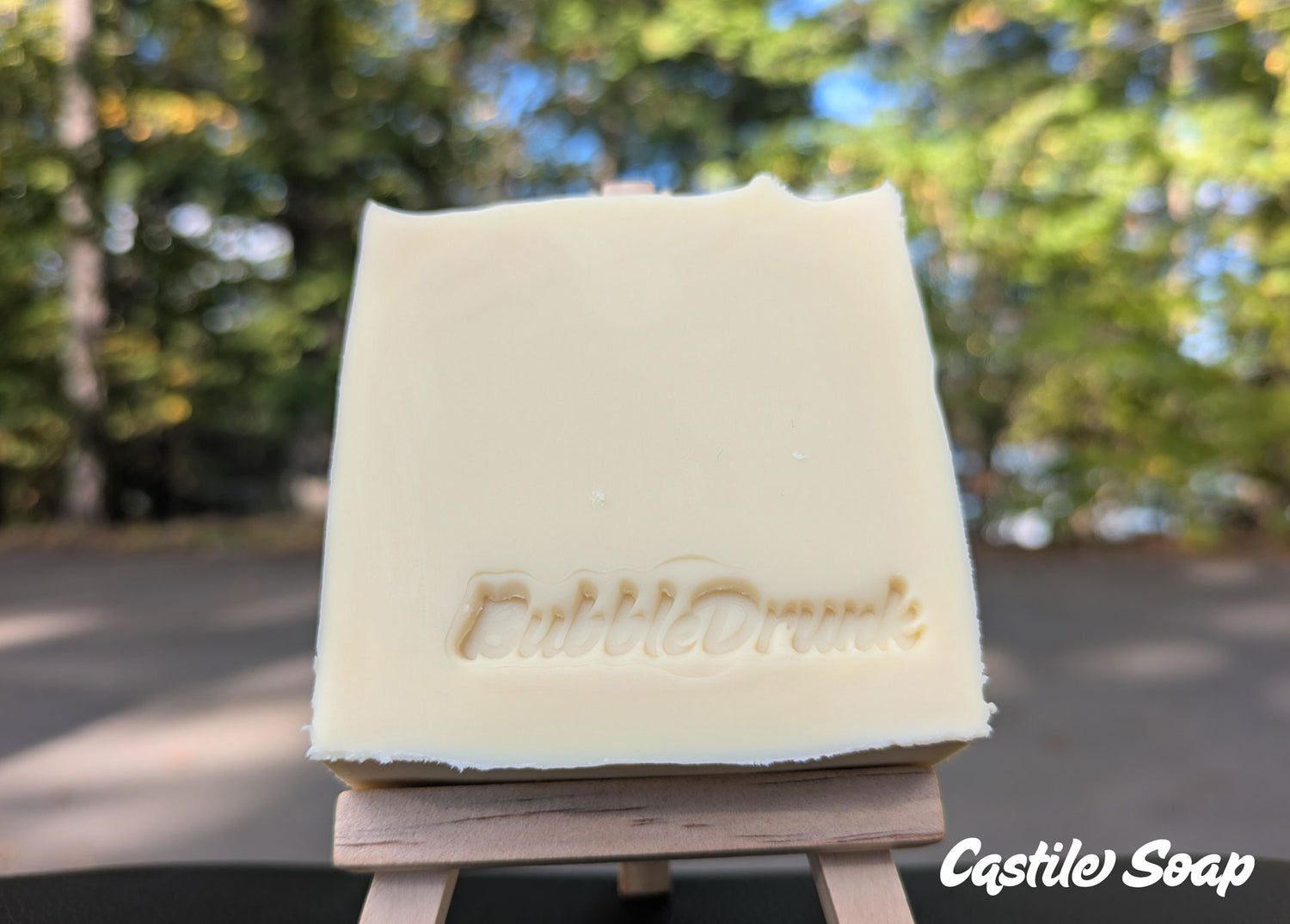
Yes, Castile Soap is sanitary. Castile Soap is basically the OG soap of soaps, so it goes without saying that if we're making the claim that soap is sanitary, then the power of math compels us to make this claim.
If you're in the market, check out our lineup of Castile Soaps. Made with 100% organic olive oil for tradition's sake, our Castile Soap bars are vegan friendly, gentle on the skin, and ideal for those who enjoy essential oils such as Eucalyptus, Peppermint, and Tea Tree in their bathing products.
How to keep Bar Soap "Clean"
Ok, clean is a bit misleading here, but we wanted to keep your attention like a middle school history teacher rapping on the chalkboard with their pointer.
- Let soap dry out. Employ a soap dish or a soap saver to let your soap dry between uses, preferably outside of the shower/tub. Why? Remaining wet leads to more bacteria. In our younger days, we wore many a shirt that wasn't dried in time due to poor laundry habits, so trust us on this one.
- Don't share soap. Also a way to cut back on exposure.
How to move forward
While we recommend bar, use whichever form you prefer. Bar and liquid soaps are equally effective in lowering the number of microbes on our skin. What really matters is technique, so give or take twenty seconds of proper scrubbing under running water should do the trick.
If the question is purely about sanitation and science, bar soap is perfectly safe. If the question is about why we ever doubted that in the first place, the answer is advertising budgets.